
Gastroesophageal reflux disease (GERD) is a common digestive disorder that affects millions of people worldwide. Characterized by the backward flow of stomach acid into the esophagus, GERD often leads to uncomfortable symptoms that can disrupt daily life. From persistent heartburn to difficulty swallowing, understanding these symptoms is crucial for early diagnosis and effective management.
In this article, we explore the most common signs of GERD to help you identify and address this condition promptly.
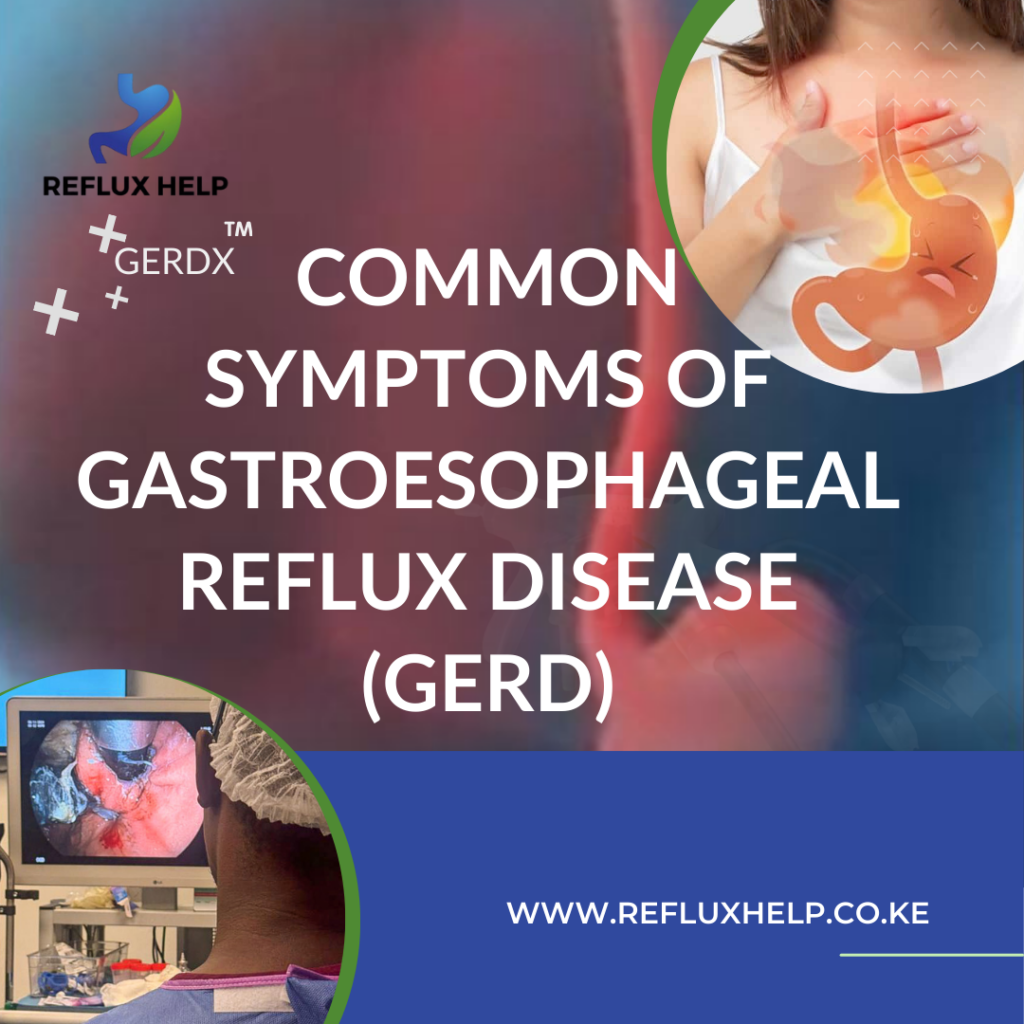
Gastroesophageal Reflux Disease symptom 1 : Heartburn
The most common symptom of gastroesophageal reflux disease (GERD) is heartburn, a burning sensation that occurs in the chest, typically after eating. It may worsen when lying down or bending over. Heartburn is caused by acid from the stomach backing up into the esophagus, leading to irritation. This discomfort is often mistaken for indigestion or other digestive issues. While occasional heartburn is common, frequent or chronic heartburn may indicate GERD, particularly if it occurs more than twice a week.
Symptom 2 :Regurgitation
Another hallmark symptom of GERD is regurgitation, which is the sensation of acid backing up into the throat or mouth. This can cause a sour or bitter taste and may be accompanied by a feeling of food coming back up from the stomach.
Regurgitation is not only uncomfortable but can also lead to damage of the teeth and throat over time if left untreated. In severe cases, it can cause aspiration pneumonia if stomach acid is inhaled into the lungs.
Symptom 3 :Difficulty Swallowing (Dysphagia)
Many individuals with GERD experience difficulty swallowing, known as dysphagia. This symptom can occur when acid reflux causes inflammation and narrowing of the esophagus, making it harder for food to pass through.
People may feel as if food is stuck in their throat or chest after swallowing. In some cases, dysphagia can be a sign of a more severe complication, such as esophageal strictures (narrowing of the esophagus) or even esophageal cancer.
Gastroesophageal Reflux Disease symptom 4: Chronic Cough and Throat Clearing
GERD can also manifest with respiratory symptoms, including a chronic cough, hoarseness, or frequent throat clearing. Acid reflux can irritate the airways and the larynx, leading to symptoms that resemble those of asthma or a respiratory infection.
A persistent cough, especially when it occurs at night, is often one of the first signs of GERD in individuals without typical heartburn symptoms. Throat clearing may also be frequent, particularly upon waking or after eating.
Symptom 5: Chest Pain and Asthma-Like Symptoms
Chest pain is a concerning symptom of GERD, which is often mistaken for heart disease. This pain is usually sharp, may be accompanied by difficulty breathing, and is often triggered by eating or lying down. While GERD-related chest pain can mimic a heart attack, it typically occurs after meals and is relieved by antacids or medications that reduce stomach acid.
GERD can also exacerbate asthma-like symptoms, such as wheezing and shortness of breath, as acid reflux can irritate the lungs and airways, leading to increased respiratory issues.
Conclusion
Living with GERD doesn’t have to be a lifelong struggle. Thanks to modern advancements like the GerdX device by G-Surg, relief is faster and more accessible than ever.
This innovative treatment offers a non-surgical, same-day solution for GERD, providing patients with quick and effective symptom management. At RefluxHelp.co.ke, we are proud to offer the GerdX service to help those suffering from GERD reclaim their quality of life. If you or a loved one are struggling with GERD, don’t hesitate to reach out to us today!